Moritz Nelle

Why You Should Go Abroad in Your Studies

A Blog Post

Or: How a bus driver in Cork yelled at me until I became a PhD student.

I thought I spoke English until a bus driver in Cork threw me off his vehicle, but that moment of confusion somehow became the entry drug for my entire research career. Here is why you should absolutely apply for a semester abroad.

Why You Should Go Abroad in Your Studies

Or: How a bus driver in Cork yelled at me until I became a PhD student.


Usually, on this blog, I’m talking about crop science, debugging Python scripts that refuse to run, or discussing too many ways an image can be analyzed. But today, I want to take a break from the technical side of things to talk to the students out there, specifically the Bachelor’s and Master’s students who are currently sitting in a lecture hall (or, let’s be honest, in bed) wondering if they should bother applying for a semester abroad (… and honestly I wanna talk even more to the students who don’t think about a semester abroad). You should.

I want to tell you a story about how my own semester abroad in Ireland acted as the entry drug for my entire academic career. It took me from a somewhat insecure undergraduate in Hannover to doing my Master’s in Wageningen (The Netherlands) and eventually landing here in Ås, Norway, for my PhD.


 The Entry Drug

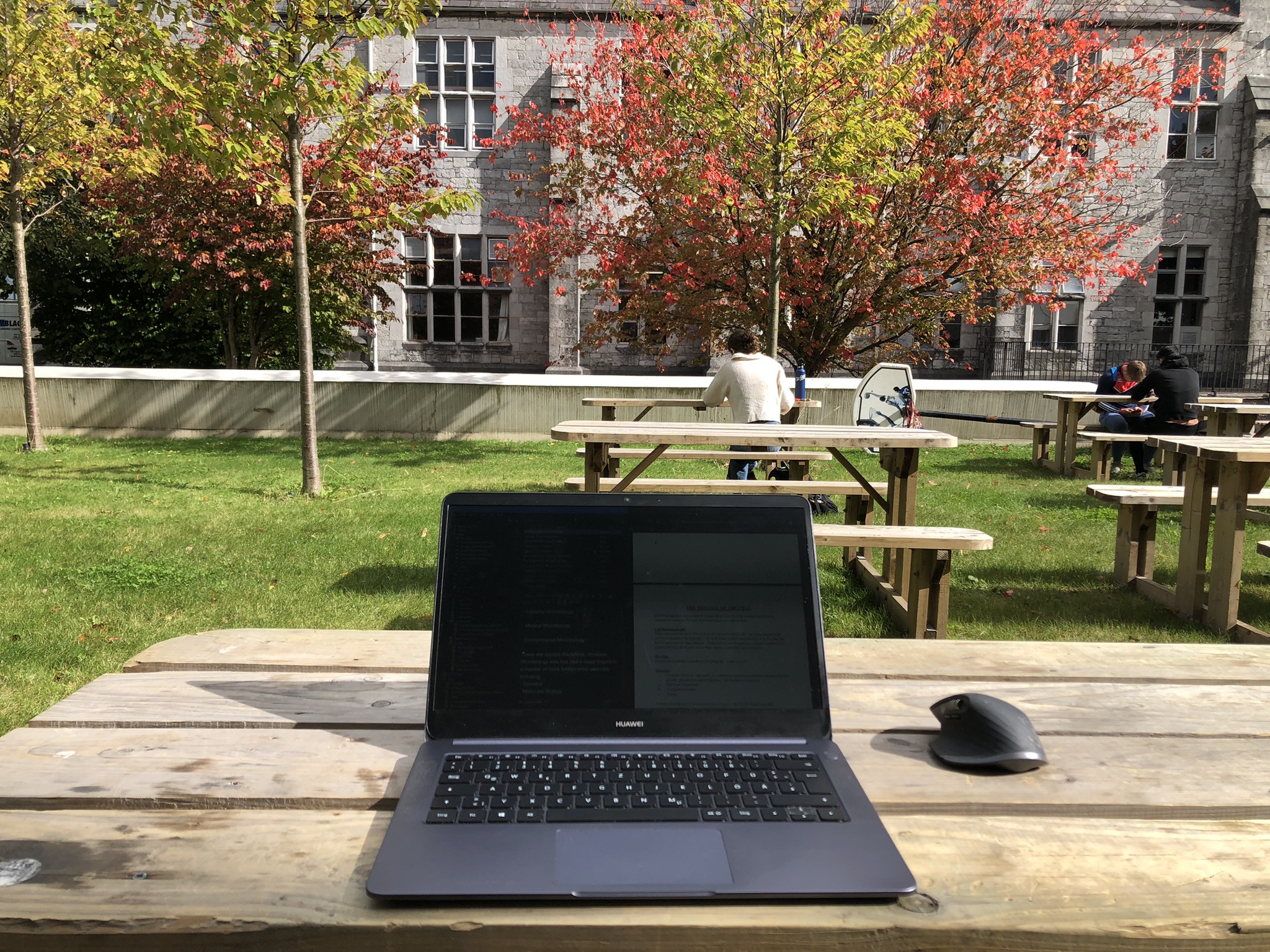
Let’s rewind to late 2021. I was a Bachelor’s student at LUH (Leibniz University Hannover), studying Molecular and Applied Plant Sciences. I was comfortable. I had my routine, my German bread, and a university system (and language) I understood.

I didn’t think I was the “type” to go abroad. You know the type I mean, the people on Instagram who seem to effortlessly backpack through three continents while looking perfect. I was just a guy who liked plants and computers. I thought the application process for an exchange semester would be a bureaucratic nightmare, and I wasn’t even sure my English was good enough to survive daily life, let alone academic lectures. I literally applied for an Erasmus exchange to University College Cork (UCC) in Ireland the day before the application deadline closed and it was more an ad-hoc decision then something I had carefully considered. I told myself, “I probably won’t get the spot anyway.”

Well, I got the spot.


The Arrival

My confidence took a hit the moment I arrived in September 2022. I thought I spoke English. Then I arrived at Cork Harbor. I hopped on a bus, intending to go to the city center. At the time, there was no direct service, so I needed to transfer at an intermediate stop. The bus driver knew this. I did not. He tried to tell me. He really did. But between the thick Irish accent and the speed at which he was talking, he might as well have been speaking ancient Elvish. I just stared at him with a blank, panicked smile. Sensing that I was a lost cause, he eventually stopped the bus at the transfer point, stood up, and threw me out. Not in a mean way, he was gesturing wildly at his wristwatch and pointing at the ground to tell me to wait for the next bus. It was an aggressive act of kindness. (And for the record, I made to Cork City and my understanding of the accent got way better over the next few weeks. Eventually. )


The Housing “Situation”

Let’s talk about the elephant in the room when it comes to studying abroad: Living conditions.

If you think finding an apartment in a German university city is hard (or any other country or city), try Ireland. I knew housing was going to be expensive, but the reality was a shock.

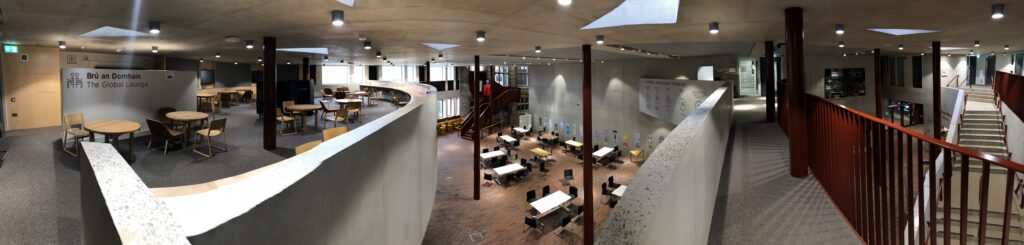
I ended up in a shared room in a private student accommodation about 25 minutes by foot from the university. The walls were painted a dark, muddy color that absorbed all light, making the room feel like a rabbit hole.

The price? A cool €1000+ per month.

I know what you’re thinking. “Moritz, you’re supposed to be convincing me to go abroad, why are you telling me about your overpriced cave?”

Because despite the cost and the dark walls, it was functional. It worked. And more importantly, the Erasmus program covered the additional expenses. This is something many (EU) students don’t realize: You usually do not lose money by going abroad. The additional cost of living in Ireland compared to my cost of living in Germany was completely covered by the Erasmus grand. There are many programs, grants and scholarship out there to help you. Don’t let the fear of costs stop you. 


50 Shades of Grey (and Green)

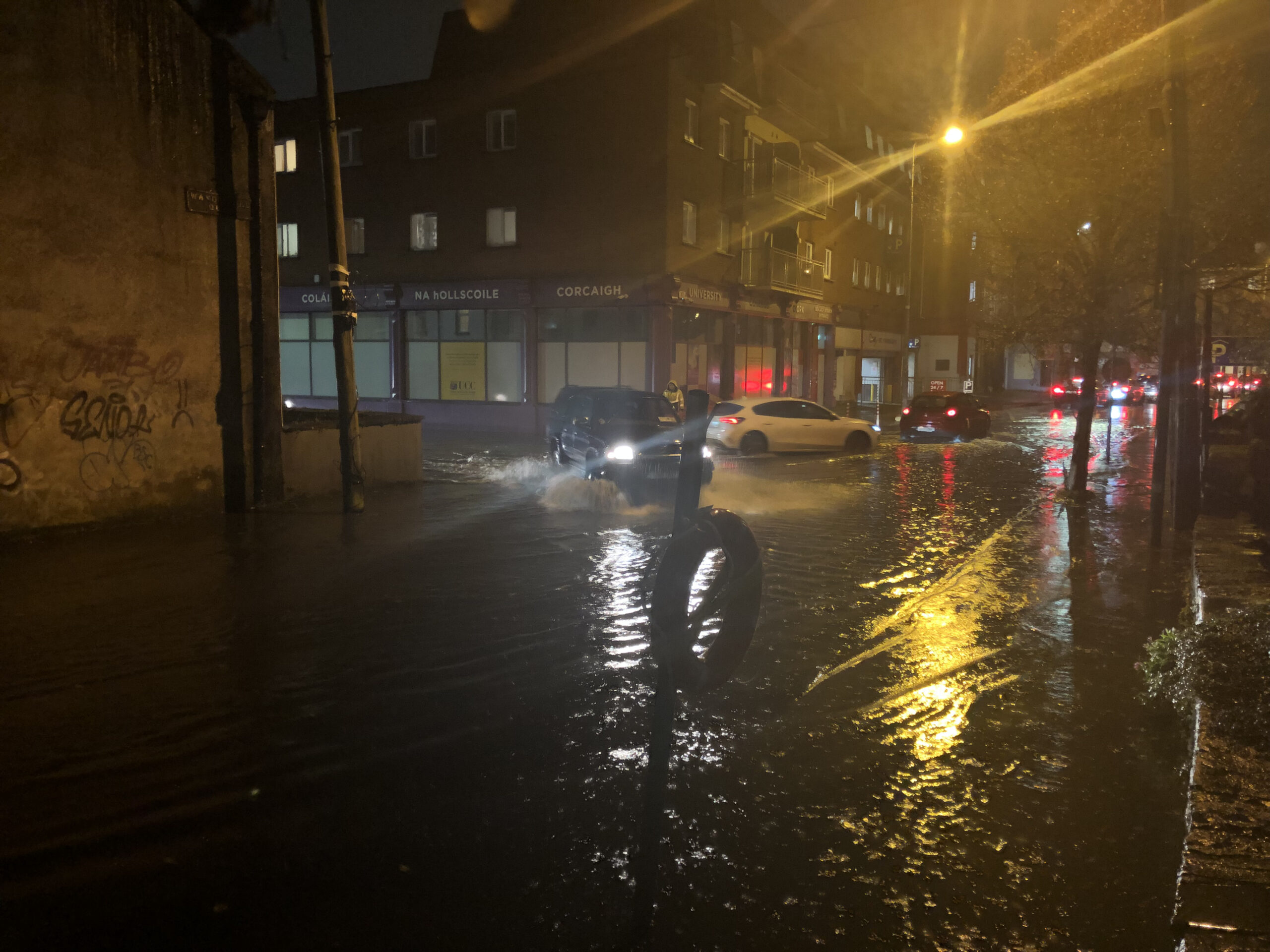
You cannot talk about Ireland without talking about the rain. It rained every day (Not really but when it was raining it felt like it). Sometimes it was a mist, sometimes a downpour, sometimes a horizontal assault that rendered umbrellas useless. I quickly learned that if you aren’t wearing a proper raincoat and rain trousers, you’re doing it wrong. But here is the thing: The bad weather forces you to appreciate the good weather in a way you never have before.

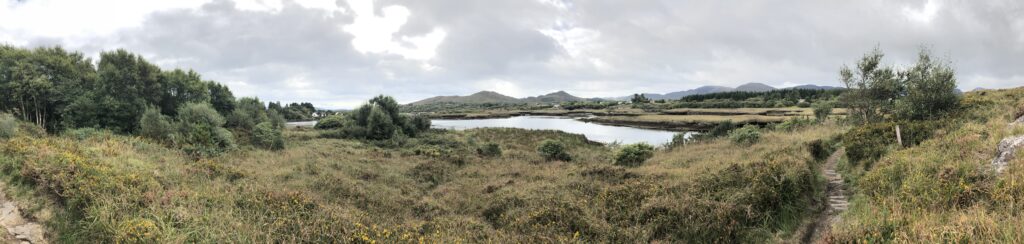
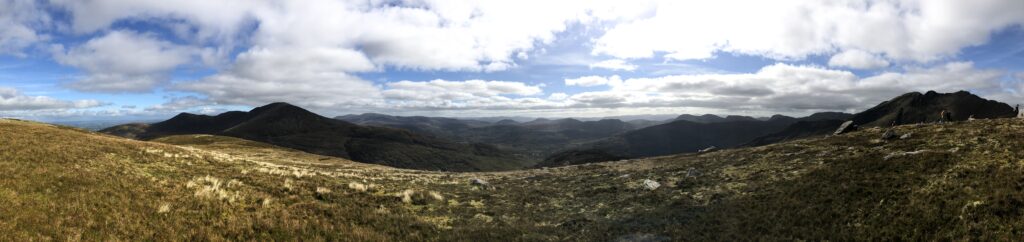
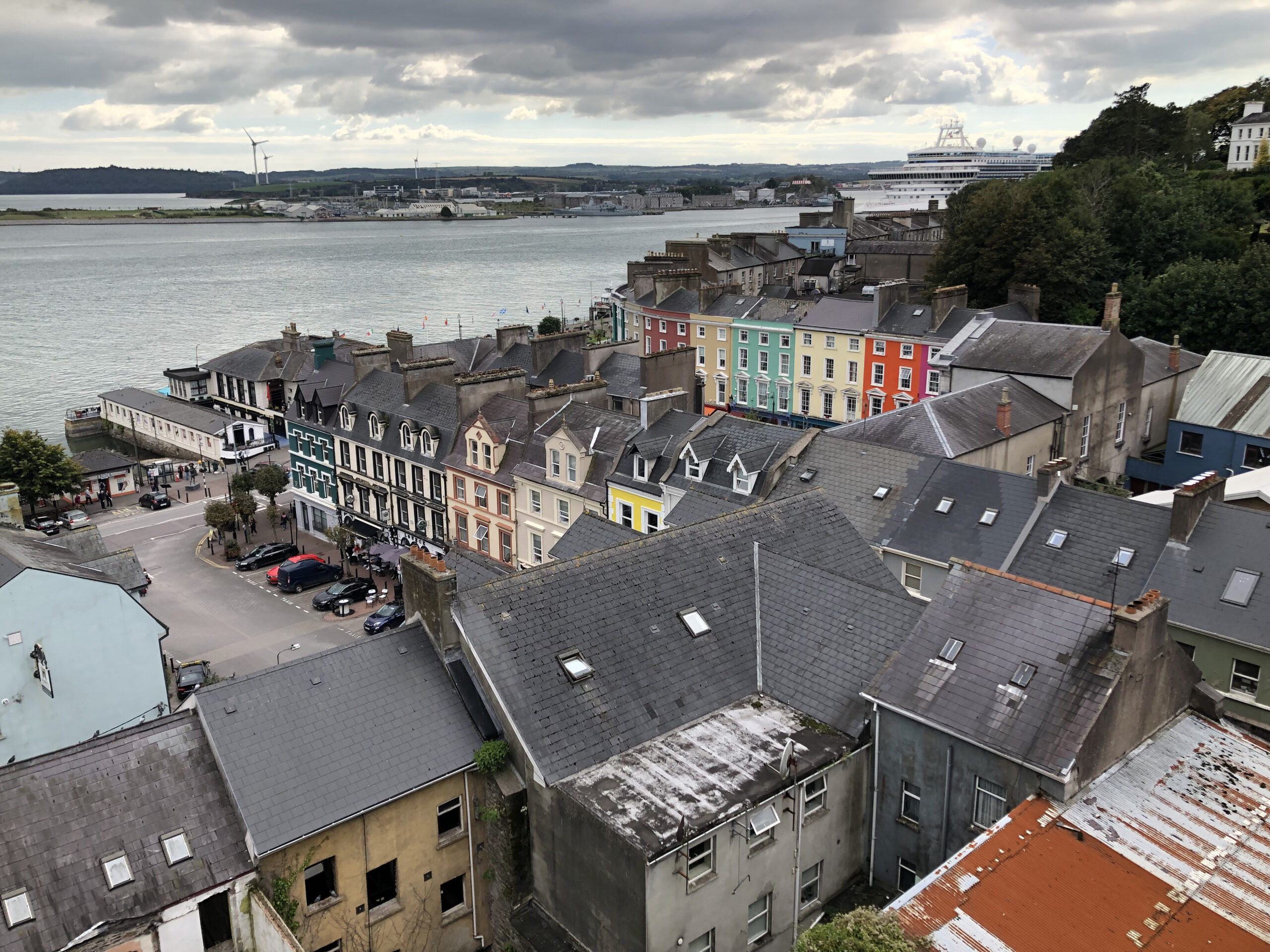
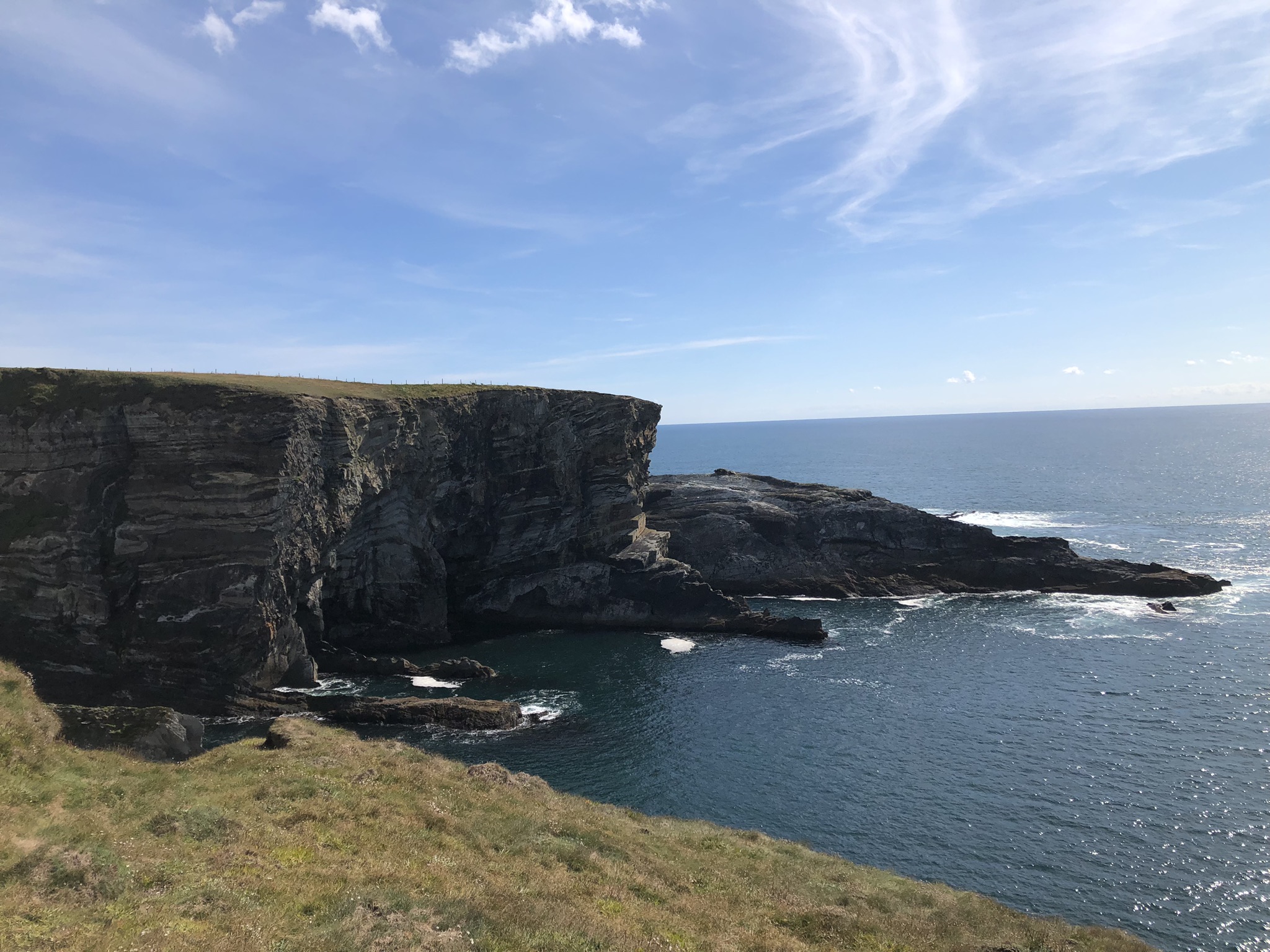
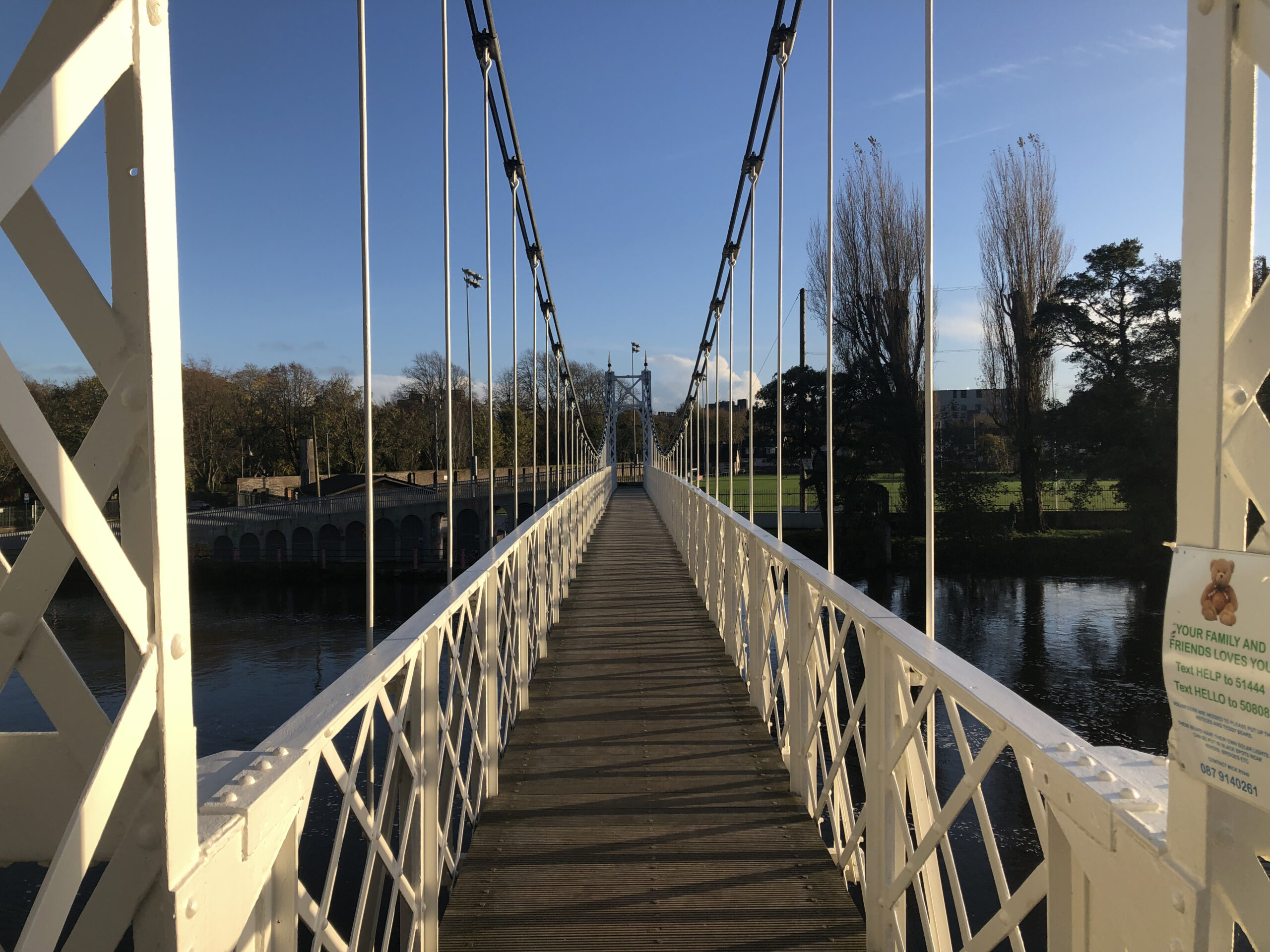
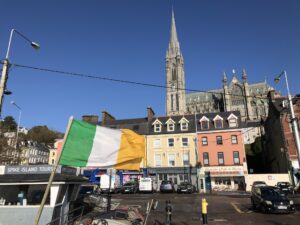
During that semester, which lasted until December 2022, we went on trips that I will remember for the rest of my life. We drove the Ring of Kerry, hiked the Gap of Dunloe, and kayaked on the River Lee. I visited Spike Island (the “Irish Alcatraz”) and saw the Titanic’s last anchorage point in Cobh.

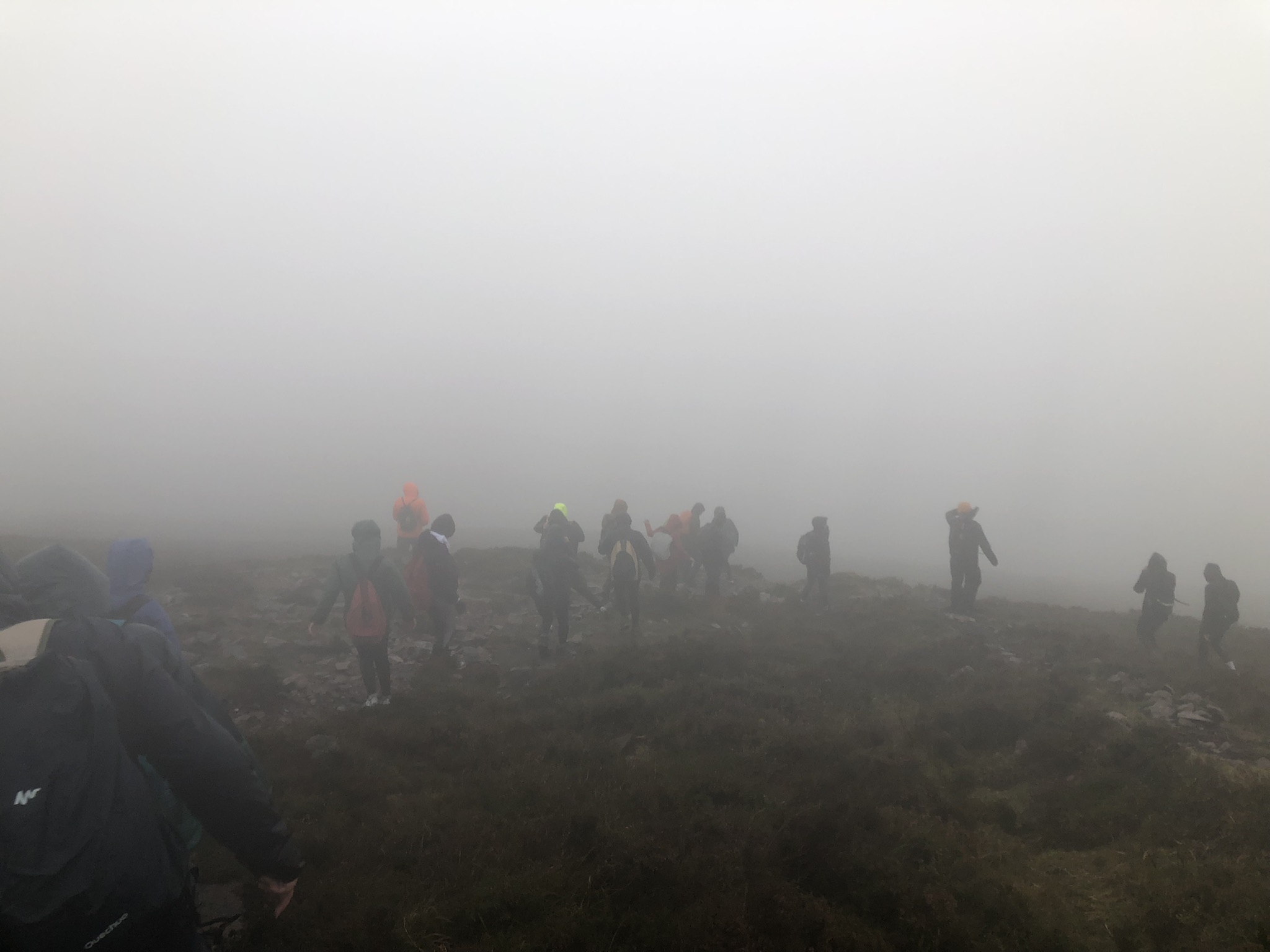
There is a specific kind of bonding that happens when you and a group of strangers are hiking up a hill in a gale-force wind, soaked to the bone, laughing at the absurdity of it all. Seriously, I saw people being blown over and thrown into puddles by the strong wind.


Why It Was My Entry Drug

Because before Ireland, I was suffering from a severe case of “Comfortable Bubble Syndrome” (That is a thing now). If I hadn’t gone, I know exactly where I would be right now: I would likely be in Germany, finishing a Master’s, perhaps looking for a safe job nearby. Don’t get me wrong, I would be perfectly content with this. However, now knowing which kind of adventures are out there I wouldn’t be happy with this right now. I wouldn’t have even considered a Master or PhD abroad. Not because I couldn’t do it, but because it simply wouldn’t have been on my radar.

Living in Cork shattered that bubble. It wasn’t about learning better coding or crop science methods, it was about a shift in my mindset. It was realizing that I didn’t just survive in an international environment, I thrived in it.

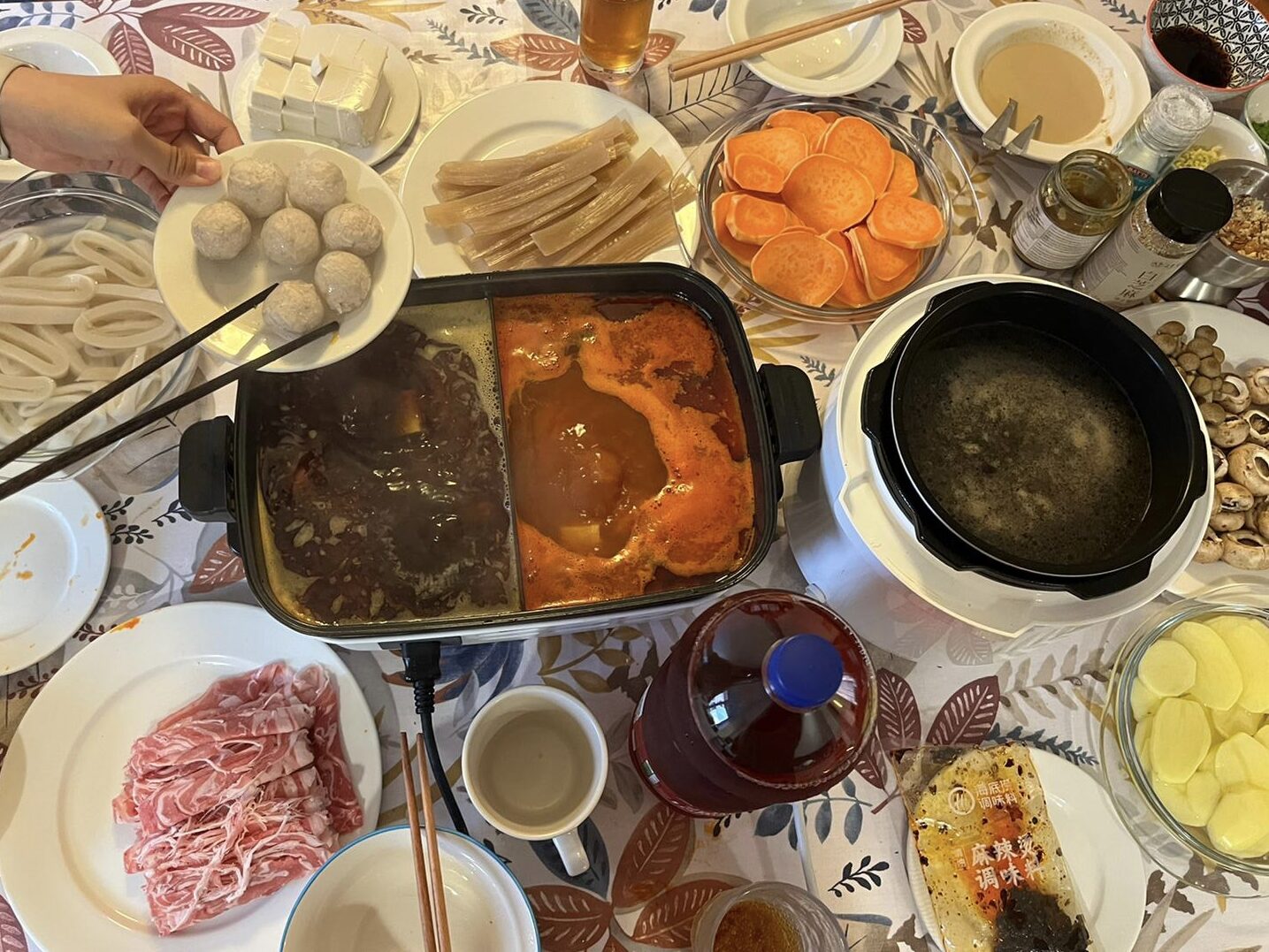
I found myself at traditional Irish music sessions (“Trad sessions”) every Wednesday, clapping along with strangers who became friends. We celebrated random international holidays together, sharing food from cultures I knew nothing about.

I realized that science is global. You can’t be a modern researcher if you are scared of the world outside your home university.

That shift in perspective is what drove the momentum of my entire career:

  • I finished my Bachelor’s in August 2023.

  • Fueled by that “Ireland confidence,” I didn’t hesitate, moved to the Netherlands that same month to start my Master’s in Wageningen.

  • I graduated from my Master’s in September 2025.

  • And just two months later, in November 2025, I moved again to start my PhD here in Norway.

I am now writing this from Ås in Norway, and I admit, I miss Ireland. I miss the Netherlands too. As well as Germany.

But I wouldn’t be here, doing research I love, if I hadn’t taken that first, scary step in 2022.
 

Just Apply. Seriously.

If you are reading this and you are on the fence: Just do it.

The application process for Erasmus (or whatever system exists where yor are living) is usually much easier than you think. It’s not a mystical lottery, it’s a form. The financial support is (often) there. The receiving universities have incredible support structures for visiting students. You won’t be alone.

You might end up in a dark room. You might get rained on for four months straight. You might get yelled at by a bus driver. But you will also gain a perspective on the world (and on your own capabilities) that you cannot get from a textbook.

And who knows? It might just be the entry drug to a life you never planned for.

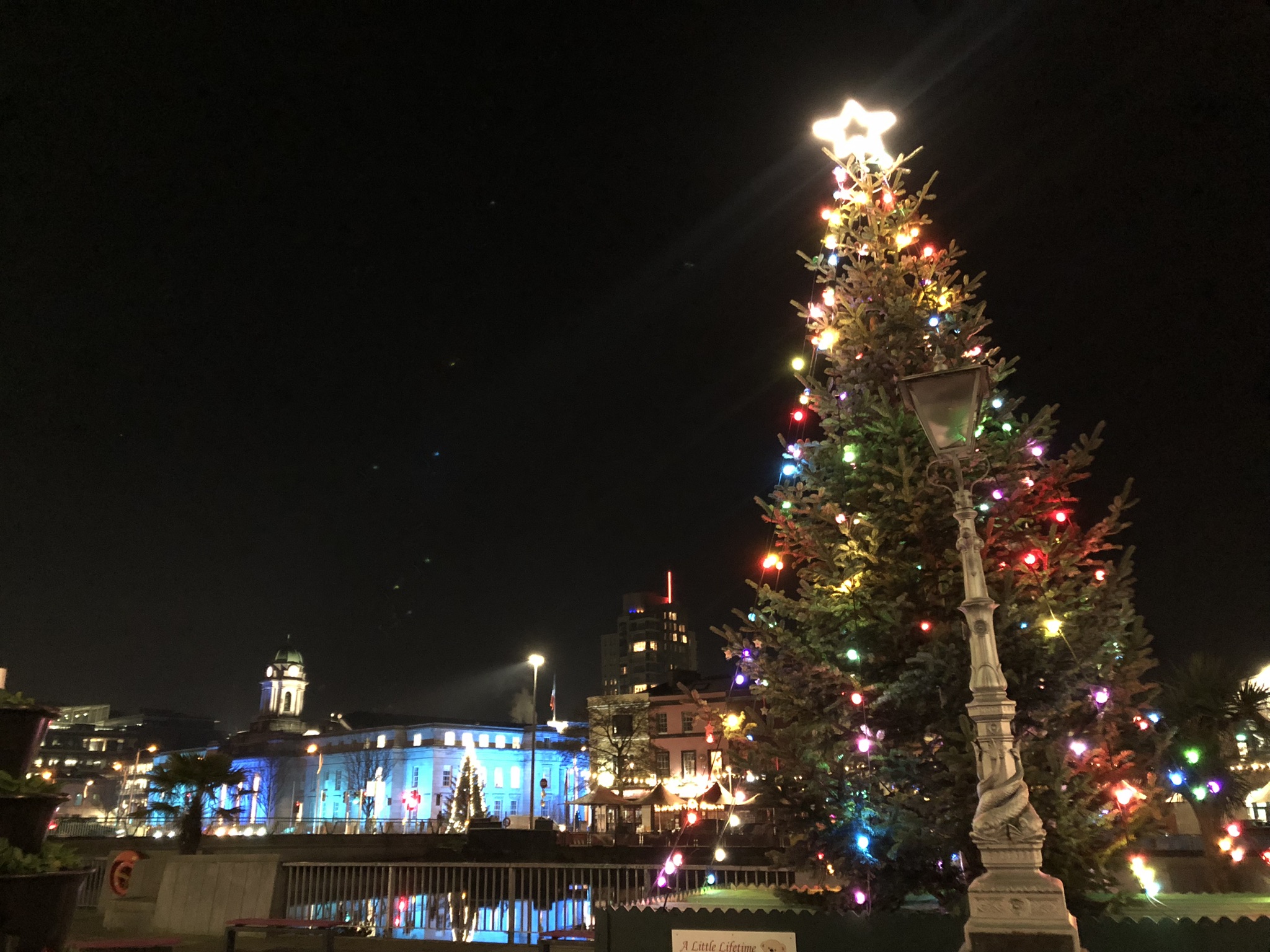
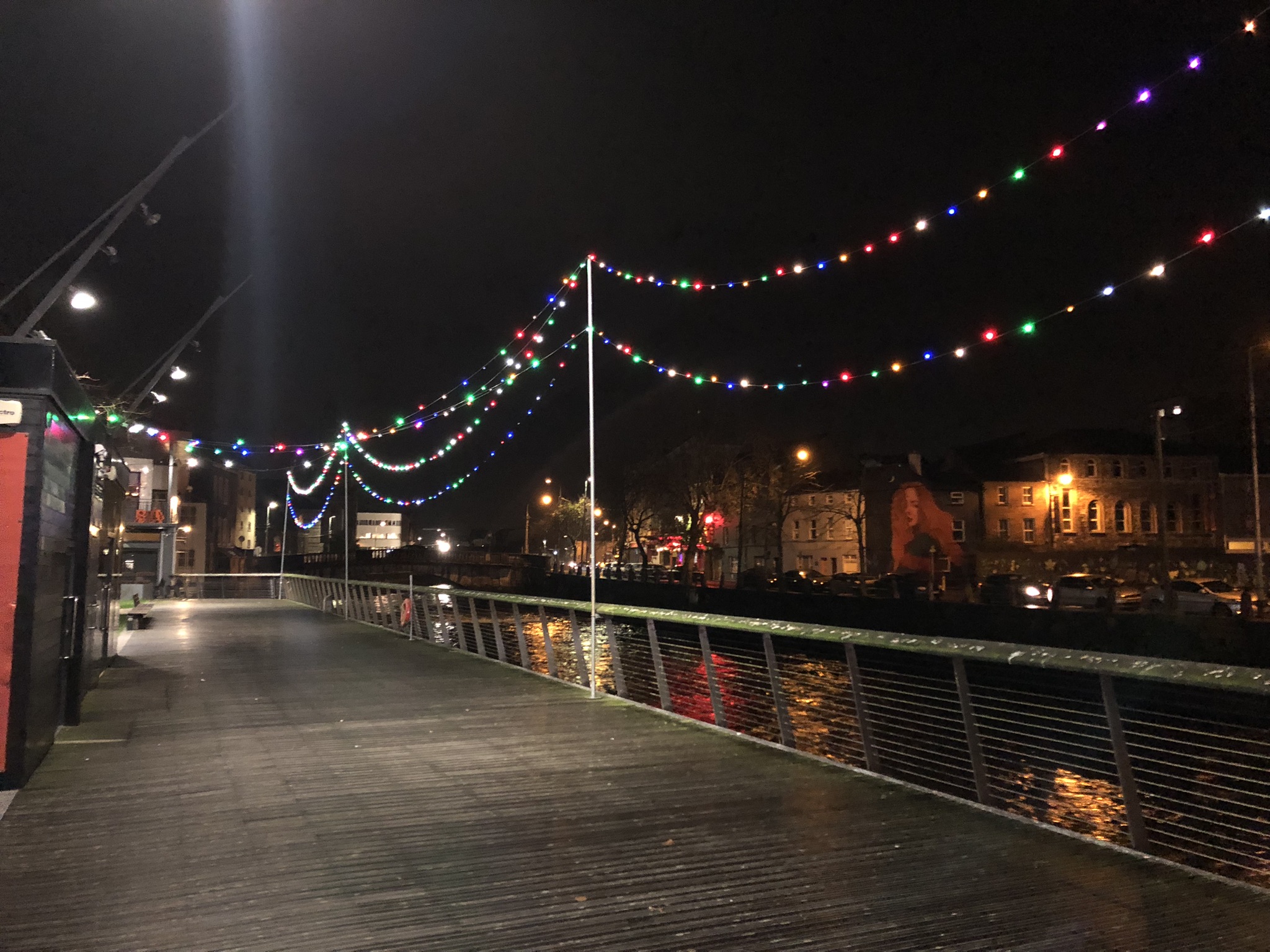
Some more Impressions:

Other Posts from all Categories